

6mm thick toughened glass price
Plastic rebar spacers are a crucial component in construction projects as they play a vital role in ensuring the proper placement and alignment of reinforcement bars within concrete structures. These spacers are designed to maintain the required distance between the rebar and the formwork, allowing for adequate concrete coverage and ensuring the structural integrity of the final product. One of the key benefits of using plastic rebar spacers is their durability and corrosion resistance. Unlike metal spacers, which can rust and deteriorate over time, plastic spacers are long-lasting and can withstand the harsh conditions of a construction site . This means that they are less likely to fail or degrade, leading to a more reliable and robust reinforcement system. Another advantage of plastic rebar spacers is their versatility and ease of use. These spacers come in a variety of shapes and sizes to accommodate different rebar diameters and spacing requirements. They are also lightweight and easy to handle, making them simple to install and adjust as needed during the construction process. This flexibility allows contractors to quickly and efficiently place rebar in the correct position, saving time and reducing labor costs. plastic rebar spacers for construction In addition to their practical benefits, plastic rebar spacers also offer environmental advantages. Many plastic spacers are made from recycled materials, making them a sustainable choice for construction projects. By using recycled plastics, builders can reduce their carbon footprint and contribute to a more eco-friendly construction industry. One of the main considerations when using plastic rebar spacers is ensuring that they are properly installed and securely fixed in place. Improper installation can lead to issues such as shifting or slippage of the rebar, which can compromise the structural integrity of the concrete. It is important to follow the manufacturer's guidelines and recommendations for proper placement and spacing of the spacers to ensure a strong and stable reinforcement system. Overall, plastic rebar spacers are an essential component in modern construction projects, providing a reliable and cost-effective solution for reinforcing concrete structures. Their durability, versatility, and environmental benefits make them a popular choice for builders looking to enhance the quality and longevity of their buildings. By using plastic rebar spacers, contractors can ensure that their structures are built to last and meet the highest safety and performance standards.
about
6mm thick toughened glass price
Replacing a Water Valve A Step-by-Step Guide Water valves are essential components in your home's plumbing system, controlling the flow of water to various fixtures and appliances. Over time, these valves can wear out, leak, or become damaged, necessitating replacement to ensure the efficiency and safety of your plumbing. Here, we provide a comprehensive guide on replacing a water valve, including the different types of valves, tools required, and step-by-step instructions. Types of Water Valves Before diving into the replacement process, it’s essential to understand the various types of water valves you might encounter 1. Gate Valve Typically used for on/off control, gate valves enable full flow when fully open but are not ideal for throttling. 2. Ball Valve Known for its durability and excellent sealing properties, a ball valve is either fully open or fully closed, providing reliable performance. 3. Globe Valve Used for regulating flow, globe valves offer better throttling capabilities compared to gate or ball valves. 4. Angle Valve Commonly used for water supply to fixtures, angle valves allow for more compact arrangements. Tools and Materials Needed To replace a water valve, gather the following tools and materials - Adjustable wrench - Pipe wrench - Screwdriver (flathead and Phillips) - New water valve (matching the type and size of the old one) - Plumber’s tape - Bucket or towels (to catch any residual water) Step-by-Step Instructions 1. Turn Off the Water Supply Locate the main water shutoff valve and turn it off. If applicable, shut off the water supply to the specific fixture or area where the valve is located. replacing water valve 2. Drain the Pipes Open a faucet near the valve you’re replacing to release any residual pressure in the system. This step will also help drain any water left in the pipes. 3. Remove the Old Valve Use an adjustable wrench or a pipe wrench to loosen the fittings on both sides of the valve. Carefully detach the valve from the piping. Be cautious, as residual water may spill out. 4. Clean the Pipe Threads Once the old valve is removed, check the ends of the pipes for any old plumber’s tape or debris. Clean the threads to ensure a good seal with the new valve. 5. Install the New Valve Apply plumber's tape to the threads of the pipe to ensure a watertight seal. Position the new valve in line with the existing pipes, making sure the flow direction matches the old valve. Hand-tighten the fittings before using a wrench to secure them. 6. Reconnect and Tighten Carefully tighten the fittings with your wrench. Ensure not to overtighten, as this could damage the threads or the valve itself. 7. Turn On the Water Supply Slowly turn on the main water supply or the specific valve you shut off earlier. Check for leaks around the newly installed valve. If you notice any dripping, turn off the water and check the fittings for tightness. 8. Test the Valve Open and close the newly installed valve a few times to ensure it operates properly. Monitor for any leakage during and after the testing process. Conclusion Replacing a water valve may seem intimidating, but with the right tools and careful attention to detail, it can be a manageable DIY project. Understanding the types of valves and their functions will help you make informed decisions during the replacement process. Regular maintenance and timely replacement of plumbing parts can save you from more significant issues down the line, such as water damage or costly repairs. Always remember to prioritize safety, and when in doubt, don’t hesitate to consult with a professional plumber.
-

High quality industrial productsagement

High quality industrial products
View Details -

Meet the diverse needs of customers

Meet the diverse needs of customers
View Details -

Strict quality control

Strict quality control
View Details -

Top raw materials

Top raw materials
View Details -

Trusted supplier

Trusted supplier
View Details
Our application


news and information

Valvola a saracinesca elettrica a tenuta morbida
La scelta e l'utilizzo corretti di una valvola a saracinesca da 150 mm sono fondamentali in numerose
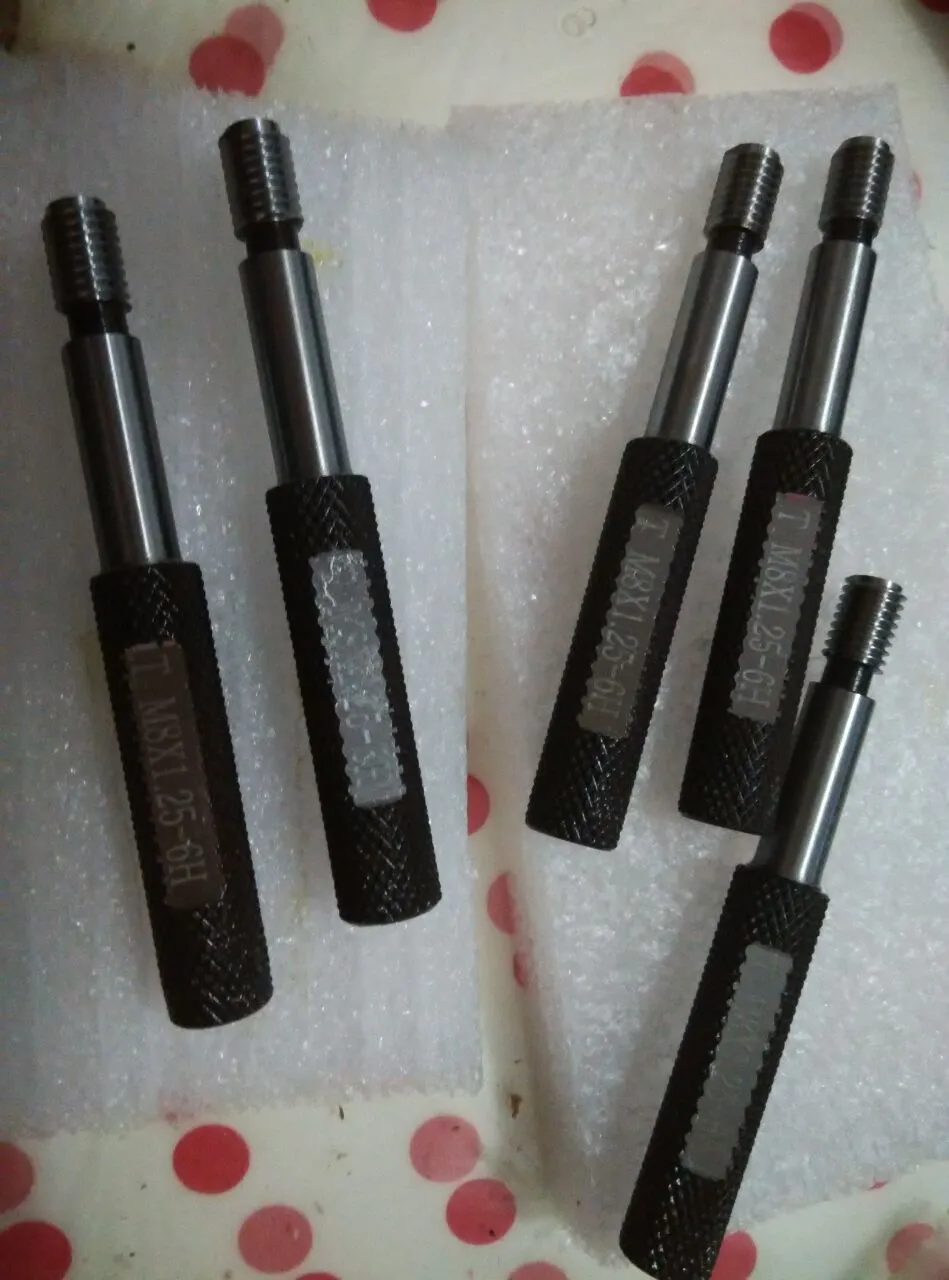
Welding Inspection Tools for Precision Measurement and Quality Assurance
The Importance of Welding Inspection Rulers in Quality Control Welding is a fundamental process in v
Válvula mariposa de 12 pulgadas con actuador para control de flujo eficiente
Válvula de mariposa de 12 pulgadas con actuador Un componente clave en sistemas de control de flujo
 English